Pigs and Pods
What is this?
I’ve always wanted to be one of those people that wrote interesting and impactful tech articles. The thought of having something to contribute to the Cloud-Native and Platform Engineering community was always an enticing goal.
However, like many of you, I’ve always struggled with believing that I could contribute something novel to the conversation. There are so many talented and insightful viewpoints out there, how can I fit an original thought with all those experts.
The thought hit me one day as I cut my 4 acre yard. I have a farm, and I’ve often thought about the comparison between what I do on the farm, and what I do professionally at work. And although I don’t have the official count, the number of individuals creating OPA Gateway Policies and L7 Ingress Routes in the early afternoon, and shoveling pig poop in the evening is likely very low. And much like I have to clean up after my animals, professionally Platform Engineers are often times cleaning up after bad implementations, poorly written applications, and impacts of limited resources.
The farm and Platform Engineering comparison goes very deeply once you take the time to understand both.
Workloads
The Workload
The application is whole reason to build a Platform. A space to run the application, boundaries to protect the application, and day to day management to keep the application running at optimal performance for optimal output.
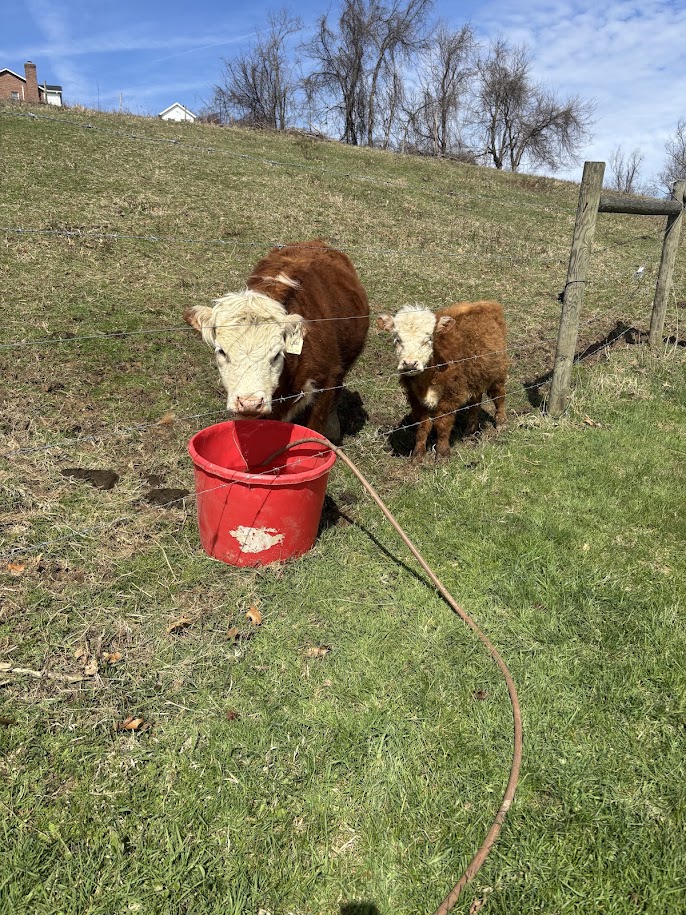
On the farm, this is the animals, the livestock. We build fence to keep them within the area we’ve designated for them. We feed and provide them water, the resources they need to run. We clean up after them, removing the aftereffects of them “running” on the farm.
The Infrastructure
The Infrastructure
- The underlying infrastructure provides the runtime for the workload. The Memory, the CPU, Disk IO and throughput, Networking, and even the software infrastructure like Kubernetes. We build the infrastructure in a way that is optimal for the workload, not too large that we waste resources, but not too small that we can handle the workloads that we need run. The infrastructure is a investment, that you get back by running your workloads.
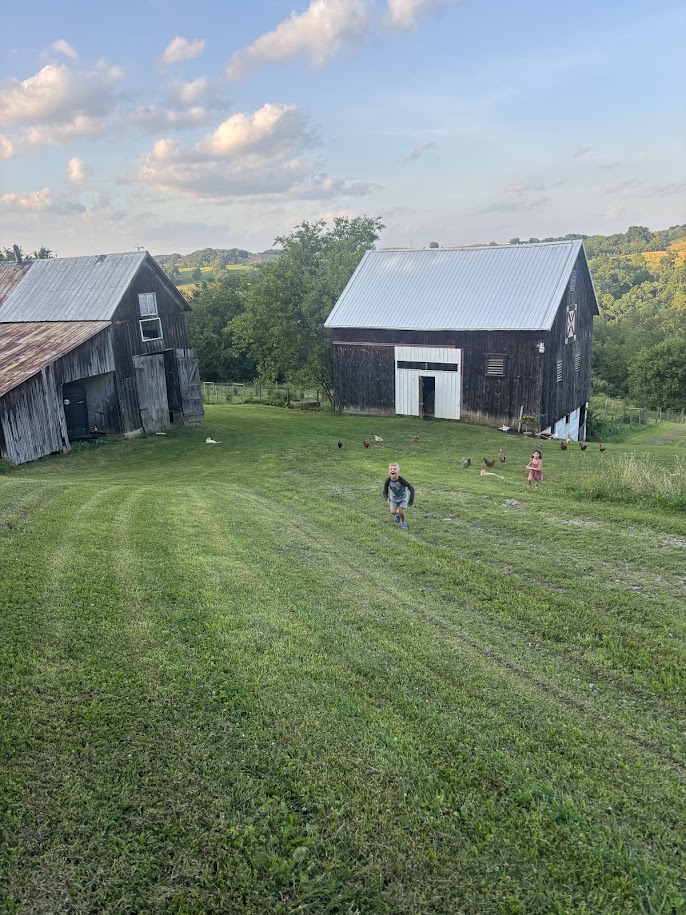
- The farm itself is all infrastructure. The fence that we build to keep the livestock in the area we designated for them. The feed and water that we provide them so they can continue to grow and operate, much like memory and cpu to an application. The barn to provide security to the animal from the weather, or the electric that keeps your water from freezing at night. These are all costs, that enable you, as a farmer, to maintain your livestock.
The Automation
The Automation
- Without Automation, we would be buried in toil. Whether it’s Ansible, Terraform, Github Actions, Jenkins, ArgoCD and GitOps, all these tools and methodologies allow us to take manual tasks and complete them in a uniform and efficient pattern. You couldn’t scale your platform, you couldn’t guarantee consistency, and you couldn’t maintain the environment with the usage of these tools.
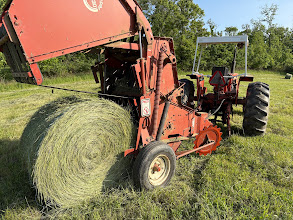
- On the farm, these are the equipment. Without a tractor, there would be no way for me to move the payload that I need move. Cutting hay and feeding it by hand would never let me get beyond a small number of chickens, purchasing the hay baler and hay mower allows me to provide for a much larger number of livestock. Though, I only have one piece of equipment that was manufactured before I was born, it serves the same purpose…. just requires a whole lot more maintenance, no opensource contributors are remounting the wobble box on my New Holland 477 Hay Bine.
The Engineer
The Engineer
- The engineer is the most critical part. They must be experts in security, networking, automation, policy, and cloud-native technologies. There is always something new to learn, always a new technique or technology. That is what a lot of Platform Engineers love, including myself. The daily challenge, the need to learn and grow, and the feeling of never being bored.
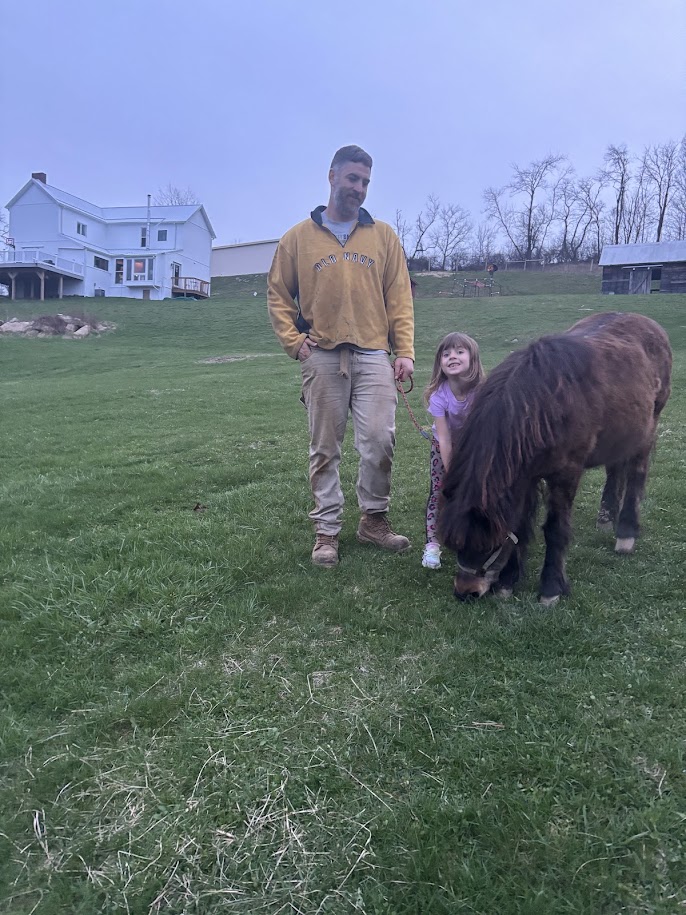
- The engineer is the farmer. I’ve had to learn to read the hay to know when it’s ready to bale, to understand the feed makeup for finishing market hogs, learning to weld to fix broken equipment, or understanding how to manage selling product to family, friends, and community members. That same desire to learn and be challenged exist in the farmer, and it’s what makes this such a great comparison.
For all of those that dream of giving up the IT life to become a goat farmer, this is your chance to see what that is truly like, from one of your own. Read about the challenges that I’ve faced on the farm, the lessons learned, and how I connect them to the daily struggle we see in the life of a Platform Engineer. Along with two rambunctious kids, and one wife who, for some reason, tries to adopt anything with wings, this is Pigs and Pods.
Credit
This idea came about one day, riding my tractor after finishing the grass. More than anything, the credit should go to all those that have supported me in my life and career. From my parents, who own a much more impressive farm and have helped me start my own. My co-workers who have mentored me, supported me, and helped me grow as a professional. My friends who laugh when I share my experiences. Most of all though, my loving wife who has supported me all along the way, and I would never be able to do this without her.